Reinstatement Works Singapore: How Scope, Cost, and Compliance Are Really Determined
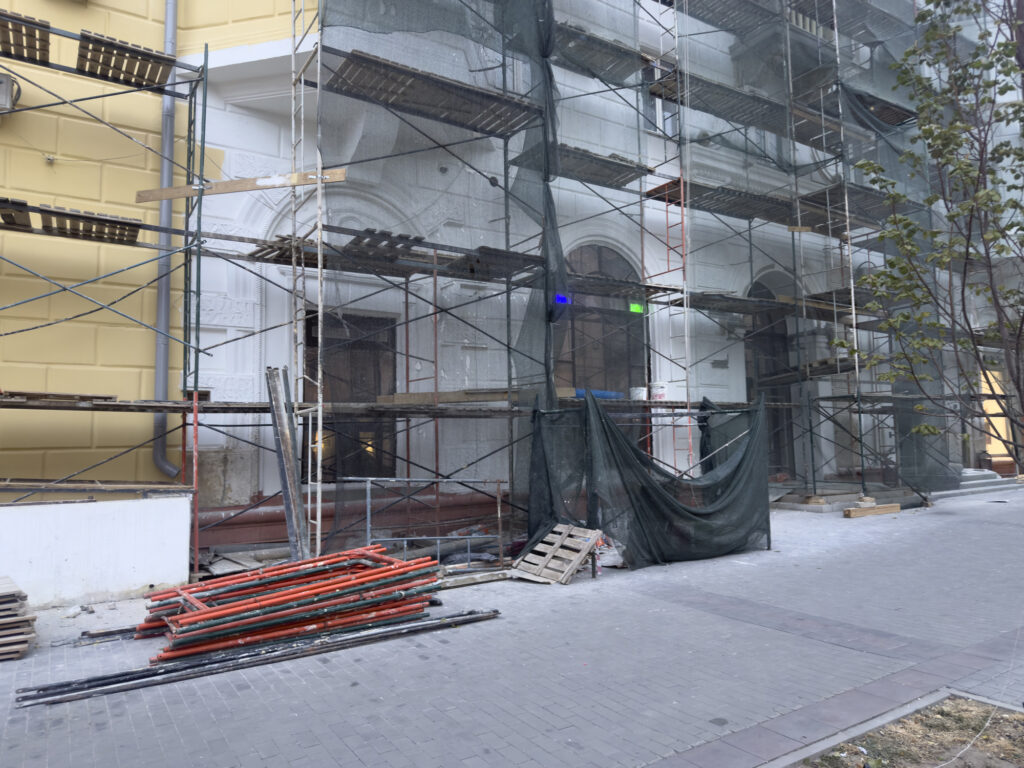
Reinstatement works Singapore tenants face are rarely as straightforward as removing partitions or clearing fittings. In practice, reinstatement work Singapore projects are shaped by lease clauses, landlord inspections, and building management requirements, many of which only surface close to lease expiry. This is where working with an experienced reinstatement contractor Singapore businesses rely on becomes essential, especially for commercial reinstatement Singapore projects where scope clarity, compliance, and reinstatement cost can escalate quickly if not managed carefully.
At Solidwerkz, reinstatement is not treated as a rushed end-of-lease task. It is handled as a structured process built on experience, precision, and a clear understanding of landlord expectations.
What Reinstatement Works Mean in Real Singapore Projects
Why reinstatement scope is rarely clear at lease signing
Many tenants enter a lease without fully understanding how reinstatement works Singapore landlords will eventually enforce. Lease clauses often use broad language such as “return to original condition,” which leaves room for interpretation. Over time, renovation works, operational upgrades, and tenant fit-outs significantly alter the unit. When the lease ends, these changes translate into reinstatement obligations that tenants did not initially anticipate.
This is why reinstatement work Singapore projects frequently expand beyond original expectations, particularly for office and commercial units.
Common reinstatement terminology landlords use explained simply
Understanding reinstatement terminology helps tenants avoid misunderstandings and disputes during handover.
- Make-good condition usually refers to restoring the unit to a landlord-approved baseline.
- Bare shell condition means removing all tenant-installed finishes and fittings.
- As-built condition requires returning the unit to its original handover state.
- CAT A and CAT B are commonly used in office buildings to define what ceiling, lighting, and mechanical systems should remain.
An experienced office reinstatement contractor Singapore companies trust will interpret these terms accurately and apply them correctly on site.
How Landlords and Building Management Define Reinstatement Scope
Office vs commercial vs retail reinstatement differences
Commercial reinstatement Singapore requirements differ depending on the type of space involved.
| Unit Type | Typical Reinstatement Scope |
| Office | Partitions, ceilings, lighting, data points |
| Retail | Flooring, façade, grease traps, signage |
| Commercial | M&E isolation, fire systems, shared services |
Each unit type comes with different compliance obligations, authority requirements, and coordination needs, all of which affect reinstatement cost and timelines.
Why commercial reinstatement in Singapore often expands late
Late-stage scope changes are common in commercial reinstatement Singapore projects. During final inspections, landlords may flag concealed services above ceilings or undocumented alterations made during tenancy. Building management may also impose additional requirements, especially in mixed-use developments and centrally located commercial buildings.
This is where engaging a reinstatement contractor Singapore businesses trust can prevent delays, disputes, and last-minute cost increases.
Why Reinstatement Cost Varies So Widely in Singapore
Cost drivers most tenants underestimate
Reinstatement cost is rarely driven by demolition alone. Some of the most underestimated cost drivers include mechanical and electrical isolation, fire safety reinstatement, after-hours work restrictions, and access coordination with building management.
These factors often surface only after site inspections, which is why reinstatement works Singapore projects can exceed initial budgets if not planned properly.
Office vs retail reinstatement cost differences
Retail shop reinstatement often costs more due to heavy-duty flooring removal, façade restoration, grease trap dismantling, and exhaust system works. Office reinstatement may appear less costly at first but can escalate due to ceiling systems, lighting grids, and concealed services.
Understanding these differences helps tenants anticipate reinstatement cost more accurately and engage the right reinstatement contractor Singapore projects require.
Choosing the Right Reinstatement Contractor in Singapore
Why reinstatement is not just hacking and removal
Effective reinstatement services Singapore tenants need go beyond physical dismantling. A professional reinstatement contractor Singapore businesses rely on also manages lease interpretation, scope verification, authority compliance, and final landlord sign-off.
This level of coordination is especially critical for commercial and office reinstatement work Singapore landlords review closely.
When you need a specialist office reinstatement contractor
Grade A offices, multi-tenant buildings, and compressed handover timelines require a specialist office reinstatement contractor Singapore companies trust. These projects demand experience with building management procedures and strict compliance standards to avoid rejection during final inspection.
Reinstatement Services Singapore Tenants Often Miss
Scope verification before work starts
Verifying scope before work begins ensures that reinstatement works Singapore tenants undertake match lease obligations and actual site conditions. This reduces scope creep and protects reinstatement budgets.
Built-in counters, feature walls, and customised storage often require careful Carpentry Work during reinstatement to meet landlord handover conditions.
Timeline planning to avoid penalty charges
Late reinstatement often leads to rental penalties and extended liabilities. Professional reinstatement services Singapore tenants engage plan backwards from handover deadlines to ensure smooth completion.
Common Reinstatement Mistakes That Increase Cost
Treating reinstatement as an afterthought
Many tenants only start planning reinstatement works Singapore projects weeks before lease expiry. This almost always results in rushed decisions, higher reinstatement cost, and limited contractor availability.
Choosing contractors without commercial experience
Retail and commercial reinstatement require different expertise. Appointing an inexperienced reinstatement contractor Singapore tenants choose purely based on price often leads to compliance failures and rework.
How Solidwerkz Approaches Reinstatement Works in Singapore
Practical experience across office and commercial projects
Solidwerkz brings hands-on experience across renovation, reinstatement, and carpentry services. Every reinstatement work Singapore clients face is managed with clarity, precision, and respect for landlord requirements.
Customer-centric execution and compliance focus
With strong attention to detail, timely execution, and clear communication, Solidwerkz ensures reinstatement services Singapore clients depend on are completed smoothly and responsibly.
Frequently Asked Questions About Reinstatement Works Singapore
How early should reinstatement planning start
Reinstatement planning should ideally begin three to six months before lease expiry to manage scope, compliance, and reinstatement cost effectively.
Who approves reinstatement completion
Final approval usually comes from landlords or building management after inspection and verification.
Getting Reinstatement Works Right the First Time
Reinstatement works Singapore tenants face are shaped by more than physical dismantling. Scope clarity, reinstatement cost control, and compliance all depend on proper planning and appointing the right reinstatement contractor Singapore businesses can trust. With the right approach, reinstatement work Singapore landlords require can be completed efficiently and without unnecessary stress.
For tenants who want clarity on reinstatement scope, timelines, or cost implications before lease expiry, speaking with an experienced team early makes a meaningful difference. You can reach Solidwerkz directly via the Contact Us page to discuss reinstatement requirements and planning considerations specific to your space.