Why Reinstatement Delays Happen in Singapore Commercial Buildings
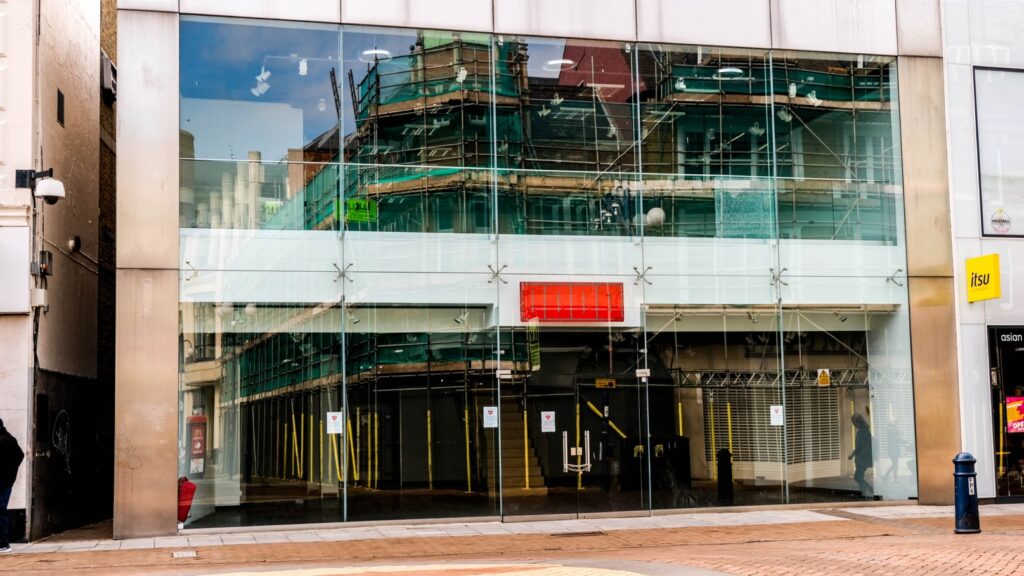
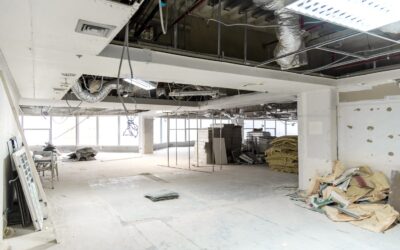
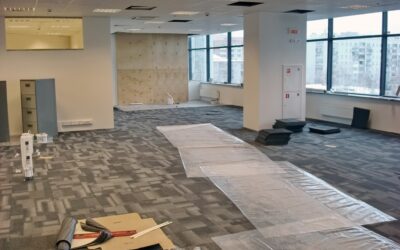
Businesses planning office or retail handovers often assume reinstatement is a straightforward dismantling process. In reality, delays can still happen even after engaging a professional reinstatement contractor in Singapore because commercial reinstatement projects involve much more than physical removal work. Building management approvals, permit processing, inspections, and after-hours restrictions can all affect project timelines.
In many commercial buildings, reinstatement works must follow strict operational procedures set by landlords and management teams. Understanding these common delays helps businesses plan more effectively and avoid unnecessary pressure before lease handover.
Why Reinstatement Projects Often Take Longer Than Expected
Reinstatement timelines involve multiple parties
A reinstatement project does not depend only on the contractor. Most reinstatement services in Singapore projects involve coordination between:
- Building management
- Landlords
- Security teams
- Disposal vendors
- Lift operators
Even if dismantling works can be completed quickly, approvals and access restrictions may slow down the overall timeline.
Different commercial buildings have different rules
Commercial reinstatement Singapore projects vary depending on the building type. A Grade A office tower in Raffles Place will usually have stricter procedures compared to a smaller commercial building or industrial office.
| Building Type | Common Restrictions |
| Office Towers | Night works only |
| Shopping Malls | Limited hacking hours |
| Business Parks | Freight lift scheduling |
| Mixed Developments | Shared contractor access |
This is why experienced reinstatement contractor Singapore teams always review building procedures before planning works.
Permit-to-Work Approval Delays in Reinstatement Works Singapore
Why permit approval is required
Most commercial buildings require contractors to submit permit-to-work applications before reinstatement works can begin. These permits help management verify that the project complies with safety and operational requirements.
Typical submissions include:
- Scope of work
- Insurance documents
- Worker details
- Proposed work schedule
Without approval, contractors are usually not allowed to begin dismantling works.
Common reasons permit approvals get delayed
One of the biggest causes of delay is incomplete documentation. Missing insurance certificates, inaccurate work scopes, or late submissions can slow down approvals significantly.
Another common issue happens during peak periods when multiple tenants are relocating at the same time, especially near the end of the financial year.
How experienced contractors reduce approval delays
Experienced reinstatement services teams are familiar with building procedures and know how to prepare documents early. This reduces unnecessary back-and-forth communication with management offices.
Businesses preparing for commercial handover can also learn how original condition clauses influence reinstatement scope and landlord expectations.
After-Hours and Noise Restriction Challenges
Why many reinstatement works Singapore projects happen overnight
Noise restrictions are one of the biggest operational challenges in commercial reinstatement projects. Office towers and malls usually do not allow noisy dismantling during business hours.
As a result, many reinstatement work activities happen late at night after tenants leave the building.
Types of work commonly restricted during daytime
The following works are often restricted:
- Hacking works
- Ceiling dismantling
- Flooring removal
- Debris disposal
These restrictions reduce the number of working hours available each day.
How night work affects project timelines
Although contractors may work overnight, shorter work windows can still extend the project duration. Labour coordination also becomes more complex because workers, disposal teams, and lift schedules must align precisely.
Hidden Site Conditions That Slow Down Commercial Reinstatement Singapore
Ceiling and M&E conditions discovered during dismantling
Many delays happen after dismantling begins. Contractors may discover:
- Hidden wiring
- Unused data cabling
- Additional ducting
- Modified sprinkler layouts
These conditions are common in offices that underwent multiple renovation phases over the years.
Why undocumented modifications create problems
Older fit-out drawings may not reflect the current condition of the unit. Previous tenants may also have made undocumented changes that were never properly recorded.
This often results in additional reinstatement work after inspections reveal hidden installations.
How experienced contractors handle hidden conditions
Professional reinstatement contractor teams conduct progressive inspections during dismantling. This allows issues to be identified earlier before they become major delays.
Businesses planning fit-out or reinstatement projects can also explore Reinstatement Work services to understand how experienced contractors manage complex commercial projects.
Coordination Issues Between Tenant, Landlord, and Contractor
Why communication delays happen
One of the most overlooked causes of delay is communication between different stakeholders. Landlords, tenants, and contractors may have different expectations regarding the reinstatement scope.
This is especially common when original handover records are incomplete.
Scope disagreements during reinstatement
Disagreements may happen regarding:
- Ceiling restoration
- Flooring condition
- Paint touch-ups
- Electrical removals
When clarification is delayed, reinstatement works may pause while waiting for approvals.
How better coordination reduces delays
Early meetings and written confirmations help reduce misunderstandings. Experienced reinstatement services contractors often coordinate directly with building management to clarify requirements before works begin.
Businesses planning commercial handovers can also learn more about how reinstatement scope and compliance requirements affect project execution.
Final Inspection Delays Before Handover
What building management checks before approval
Before lease handover, management teams usually inspect:
- Ceiling patching quality
- Flooring condition
- Electrical capping
- Debris clearance
- Wall finishing and paint touch-ups
If standards are not met, rectification works may be required.
| Inspection Area | Common Issue |
| Flooring | Adhesive residue |
| Ceiling | Uneven patching |
| Electrical | Improper capping |
| Walls | Visible paint differences |
Why failed inspections extend timelines
A failed inspection often leads to rework and additional scheduling coordination. Contractors may also need to rebook freight lifts or arrange additional manpower.
How experienced contractors avoid failed inspections
Experienced reinstatement contractor teams typically conduct internal checks before the final inspection. This helps identify issues early and reduces the risk of rejection.
Practical Ways Businesses Can Avoid Reinstatement Delays
Start planning earlier than expected
Waiting until the final weeks of the lease creates unnecessary pressure. Early planning gives businesses more flexibility for scheduling and approvals.
Engage reinstatement services Singapore contractors early
Early contractor engagement allows:
- Faster permit preparation
- Better scheduling
- Earlier site assessment
This improves overall project coordination.
Prepare proper documentation before works begin
Businesses should prepare:
- Lease agreements
- Original layout drawings
- Previous fit-out approvals
- Building management requirements
Proper documentation reduces misunderstandings during reinstatement work Singapore.
How Solidwerkz Supports Smooth Reinstatement Projects
Experience with Singapore commercial building procedures
Solidwerkz understands the operational requirements involved in commercial reinstatement projects, including permit applications, building coordination, and scheduling restrictions.
Reliable reinstatement works Singapore execution
With careful planning and efficient coordination, Solidwerkz helps businesses complete reinstatement works smoothly while meeting landlord and building management expectations.
Businesses preparing for lease handover can contact the team through the Contact Us page for consultation and project planning.
Why Proper Planning Prevents Reinstatement Delays
Many reinstatement delays in Singapore are operational rather than technical. Building approvals, freight lift access, after-hours restrictions, inspections, and coordination issues all affect project timelines.By working with an experienced reinstatement contractor in Singapore, businesses can better manage reinstatement works and avoid unnecessary delays during commercial reinstatement projects. With proper planning and coordination, reinstatement work can be completed more efficiently and with fewer disruptions before lease handover.