Retail Shop Reinstatement Singapore: Technical Requirements for Signage, Flooring, and M&E Removal
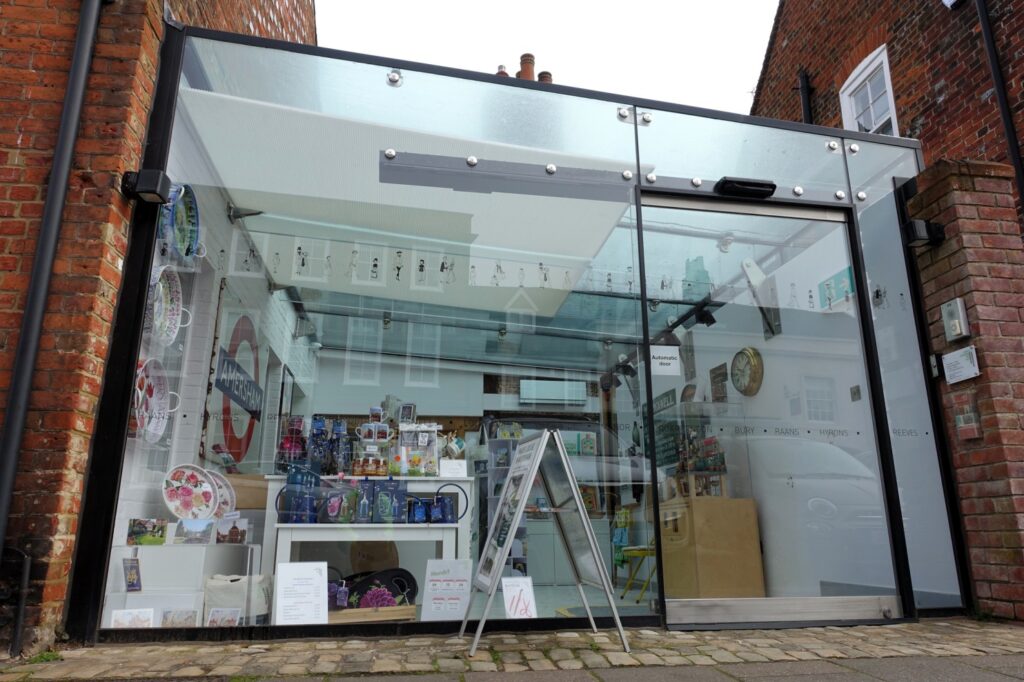
Retail businesses in Singapore often invest heavily in shop fit-outs to create attractive storefronts and customer experiences. However, when the lease ends, tenants are usually required to return the space to its original condition. This process is known as retail shop reinstatement Singapore, and it involves far more than simply clearing furniture or removing shelves.
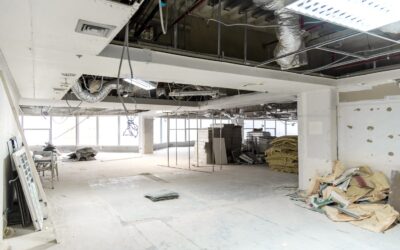
In most shopping malls and commercial buildings, retail shop reinstatement Singapore projects must comply with strict building management guidelines. Signage structures, custom flooring, electrical systems, ceilings, and mechanical installations all need to be removed or restored according to the lease agreement. Because of the technical nature of these works, many businesses engage experienced contractors who specialise in shop reinstatement Singapore to ensure the project is completed efficiently before lease handover.
Why Retail Shop Reinstatement Singapore Is Different from Office Reinstatement
Retail fit-outs create more complex reinstatement scope
Retail spaces typically involve more permanent installations than offices. During tenancy, retailers often install custom storefronts, display counters, lighting systems, and decorative flooring. These elements help create an appealing customer environment but significantly increase the reinstatement scope later.
Because of this, shop reinstatement Singapore projects usually involve dismantling a wide range of fixtures and restoring structural surfaces. An experienced shop reinstatement contractor Singapore will assess these installations during site inspection to determine the work required.
Commercial reinstatement rules in shopping malls
Retail shops located in malls or large commercial complexes must also follow strict building management rules. These regulations often include approved working hours, disposal procedures for construction waste, and safety requirements for dismantling works.
Such guidelines form part of the wider commercial reinstatement process, where contractors coordinate with building management to ensure all reinstatement activities meet property standards.
Shopfront and Signage Reinstatement Requirements
Shopfront signage removal in retail shop reinstatement Singapore
One of the most visible elements of a retail store is its shopfront signage. When the tenancy ends, these signs must usually be dismantled and removed completely.
Typical signage reinstatement tasks include:
- Removing illuminated signboards
- Disconnecting electrical wiring from signage systems
- Removing mounting frames and brackets
These steps ensure the shopfront returns to its original façade condition.
Mall façade restoration requirements
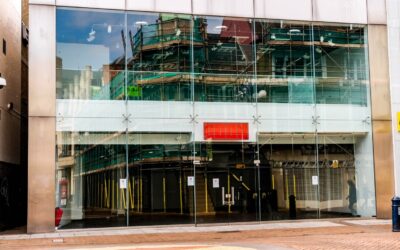
In many malls across Singapore, tenants must restore the shopfront façade after removing signage. This may involve reinstalling original wall panels, repairing surfaces, or restoring glass elements.
Experienced retail shop reinstatement contractor Singapore teams are familiar with mall façade guidelines and can carry out these works efficiently.
Flooring Restoration in Shop Reinstatement Singapore
Removal of retail flooring installations
Retail stores frequently install customised flooring to match their branding or interior design. Vinyl flooring, decorative tiles, and raised platforms are common additions.
During shop reinstatement Singapore, these flooring systems often need to be removed to expose the original surface.
Floor surface restoration
After removing tenant-installed flooring, the floor surface must often be restored to its original condition. This may involve levelling uneven areas, cleaning adhesive residues, or repairing damaged sections.
Floor restoration is one of the most common tasks carried out by shop reinstatement services in Singapore contractors.
| Flooring Type | Typical Reinstatement Work |
| Vinyl flooring | Removal and adhesive cleaning |
| Raised platform flooring | Structural dismantling |
| Decorative tiles | Tile removal and surface repair |
Mechanical and Electrical Removal in Retail Reinstatement
Electrical systems dismantling
Retail stores rely heavily on lighting and electrical systems to display products effectively. During reinstatement, these systems must be dismantled safely.
Electrical reinstatement tasks often include:
- Removing track lighting systems
- Removing display lighting fixtures
- Disconnecting wiring installed during tenancy
These works are usually handled by contractors experienced in commercial reinstatement projects.
M&E disconnection and capping
Mechanical and electrical systems such as air-conditioning units, data points, and power outlets may also need to be disconnected. These connections must be capped and secured according to building standards.
Because these systems are connected to building infrastructure, proper procedures must be followed to avoid safety issues.
False Ceiling and Interior Structure Removal
False ceiling dismantling in retail shops
Many retail shops install false ceilings to conceal wiring and lighting systems. During retail shop reinstatement Singapore, these ceiling systems may need to be dismantled.
Typical tasks include removing gypsum boards, dismantling ceiling grids, and restoring the original ceiling height.
Partition and display structure removal
Retail fit-outs often include partitions, display structures, and built-in shelving. These installations help organise product displays but must be removed during reinstatement.
An experienced shop reinstatement contractor Singapore will dismantle these structures carefully to avoid damaging the surrounding building surfaces.
Built-in displays and counters often involve custom woodwork and cabinetry. These features are typically removed as part of Carpentry Work during the reinstatement process. Businesses that require reliable dismantling and renovation services can learn more about Solidwerkz here
https://solidwerkz.com/
Special Reinstatement Requirements for F&B Retail Units
Grease trap removal and kitchen system dismantling
Food and beverage outlets usually involve more complex reinstatement requirements. Kitchens often contain grease traps, specialised plumbing systems, and cooking equipment.
During shop reinstatement Singapore, these systems must be removed and the plumbing restored to its original configuration.
Exhaust system removal
F&B units frequently install exhaust ducts connected to building ventilation systems. These ducts must be dismantled and the connection points restored before handover.
This type of work is common in retail shop reinstatement Singapore projects involving restaurants or cafes.
Common Mistakes During Retail Shop Reinstatement Singapore
Underestimating reinstatement scope
Retail tenants often underestimate how much work is involved in restoring a shop unit. Shopfront structures, flooring systems, lighting installations, and mechanical systems all contribute to the reinstatement scope.
Without proper planning, the project may take longer than expected.
Starting reinstatement work too late
Another common mistake is delaying reinstatement planning until the final weeks of tenancy. This can create scheduling challenges and limit contractor availability.
Early planning allows businesses to manage reinstatement timelines and complete the project smoothly.
Planning Retail Shop Reinstatement Singapore Properly
Retail shop reinstatement Singapore projects require careful planning because retail spaces contain many technical installations. Signage structures, flooring systems, electrical wiring, ceilings, and ventilation systems must all be dismantled and restored according to landlord requirements.
Understanding these technical components helps tenants prepare for lease handover and avoid unexpected delays. By working with experienced professionals who provide shop reinstatement services in Singapore, businesses can complete reinstatement works safely and efficiently.
Companies preparing for lease handover can speak with the Solidwerkz team through the contact page.